
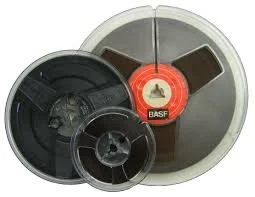
The History of Old Audio Reels (Reel-to-Reel Tape Recorders)
The History of Old Audio Reels | Reel-to-Reel Tape Recorders & Analog Sound
Discover the complete history of old audio reels, from the invention of magnetic recording to the golden age of reel-to-reel tape recorders. Learn why analog tape is still valued today.
The History of Old Audio Reels
Old audio reels, also known as reel-to-reel tape recorders, are one of the most important inventions in the history of sound recording. Long before cassettes and digital audio, reel tapes were the professional standard for music production, radio broadcasting, and archival recordings.
Today, vintage audio reels are highly valued for their warm analog sound, historical importance, and collectible status.
The Origins of Magnetic Tape Recording
The journey of reel-to-reel technology began in 1898 when Valdemar Poulsen invented the telegraphone, the first magnetic recording device.
This early system used steel wire to capture sound. While groundbreaking, it lacked the sound quality and editing flexibility that later magnetic tape would provide.
A major leap forward came in the 1930s when AEG introduced the Magnetophon, the world’s first practical tape recorder using plastic magnetic tape.
Why This Was Revolutionary
Clearer audio recordings
Longer recording time
Easy editing by cutting and splicing tape
Reusable recording medium
This marked the true birth of modern audio recording.
The Rise of Reel-to-Reel in the United States
After World War II, reel-to-reel technology was further developed by Ampex, which became a global leader in professional tape machines.
These machines quickly became essential in:
Recording studios
Radio stations
Film production
Television broadcasting
By the 1950s, reel-to-reel recorders were also entering home hi-fi systems.
The Golden Age of Reel-to-Reel Tape (1940s – 1970s)
During this period, reel-to-reel tape was the highest-quality audio format available.
Used in Professional Music Recording
Legendary albums were recorded on analog tape because of its:
Wide dynamic range
Natural compression
Warm, rich sound
Essential for Radio Broadcasting
Reel tapes allowed stations to store:
Interviews
Jingles
News reports
Pre-recorded shows
Popular in Home Audio Systems
Top manufacturers included:
TEAC
Akai
Revox
Sony
These brands produced high-fidelity reel decks that are still sought after today.
Why Reel-to-Reel Sound Quality Was Superior
Reel-to-reel tapes delivered:
Faster tape speeds
Wider tape tracks
Minimal audio compression
Lower background noise
This resulted in studio-quality sound that many audiophiles still consider better than modern digital formats.
The Decline of Old Audio Reels
By the late 1970s, reel-to-reel began to fade as new formats emerged:
Compact cassettes – smaller and portable
Compact discs (CDs) – digital clarity
Digital recording – lower cost and easier editing
Although no longer a mainstream consumer format, reel tape remained in professional and archival use for many years.
Reel-to-Reel Tape in the Modern Era
Today, old audio reels are experiencing a revival.
Sought After by Collectors
Vintage reel-to-reel machines are prized for their:
Precision engineering
Classic analog design
Investment value
Used for Archival Preservation
Many historical recordings exist only on reel tape, including:
Original studio master tapes
Radio broadcasts
Family voice recordings
Rare live performances
Digitizing reel-to-reel tapes helps preserve audio history for future generations.
Still Used in Professional Studios
Some modern producers return to analog tape for its unique sonic character.
The Legacy of Reel-to-Reel Recorders
Reel-to-reel technology laid the foundation for everything that followed in audio recording.
Without it, there would be no:
Multitrack recording
Modern music production
High-fidelity sound engineering
Old audio reels are not just obsolete equipment — they are a cornerstone of recorded sound history.
FAQ – Old Audio Reels
What are old audio reels used for today?
They are used for archival transfers, analog music production, and vintage audio collecting.
Are reel-to-reel tapes better than cassettes?
Yes. Reel-to-reel tapes offer higher sound quality, wider frequency response, and less noise.
Why do audiophiles prefer reel-to-reel?
Because of the warm, natural analog sound that digital formats often struggle to reproduce.